

 See My Latest Article on HelloNation

What is the basic difference between single and multiple tooth implants?
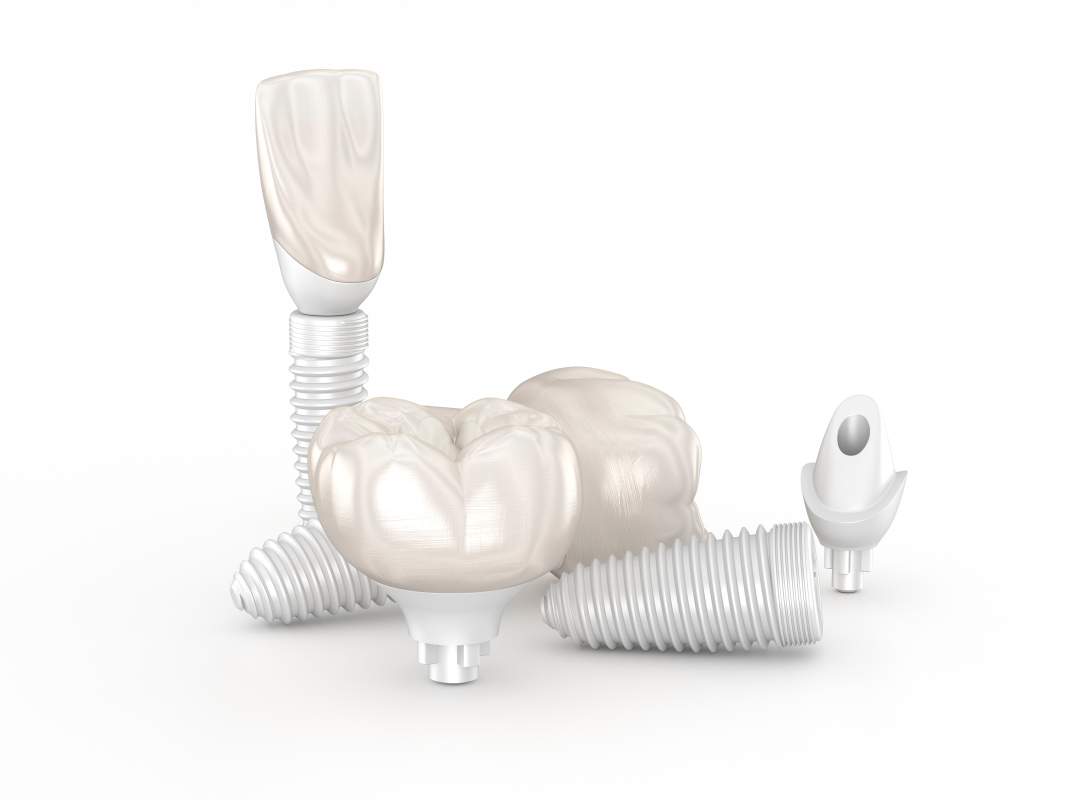
A single tooth implant replaces one missing tooth with one implant post, an abutment, and a crown. Multiple tooth implant treatment replaces several missing teeth and may use one implant per tooth, several implants supporting a bridge, or implants stabilizing a removable denture.
The number of missing teeth matters, but it is not the only factor. Their location, spacing, bone condition, gum health, bite, and whether the teeth are missing next to one another all influence the treatment design.
For a resident of Sterling Heights, the practical difference often comes down to how many teeth need replacement and whether the remaining natural teeth can be preserved and used as part of the overall plan.
How does a single-tooth implant work?
A single-tooth implant is designed to replace the entire structure of one missing tooth above and below the gumline. The implant post serves as an artificial root, while the abutment connects the post to a custom crown.
This option is commonly considered when:
- One tooth is missing between healthy neighboring teeth
- The surrounding teeth do not need to be reshaped for a bridge
- There is enough jawbone to support an implant, or bone rebuilding is possible
- The gums and nearby teeth are healthy enough to support long-term care
One advantage is that the neighboring teeth usually remain independent. A traditional bridge may require the adjacent teeth to support the replacement tooth, while a single implant is supported by the jawbone instead.
A single implant does not prevent cavities in nearby natural teeth, however. The crown itself cannot decay, but plaque can still affect the gum tissue around the implant and the natural teeth next to it.
How are multiple missing teeth replaced?
Multiple missing teeth can be replaced in several different ways. The treatment does not always require one implant for every missing tooth.
If several teeth are missing in a row, two or more implants may support a fixed bridge. The replacement teeth are connected together, allowing the implants to share chewing forces. This can reduce the number of implant posts needed compared with replacing every tooth separately.
If many teeth are missing throughout an arch, implants may support a removable or fixed prosthesis. A removable implant-supported denture can usually be taken out for cleaning. A fixed implant-supported prosthesis remains attached during normal daily use but still requires specialized cleaning beneath and around it.
Multiple-tooth treatment may be appropriate when:
- Several neighboring teeth are missing
- A removable partial denture is loose or uncomfortable
- A large bridge needs more stable support
- Many teeth have been lost because of decay, gum disease, injury, or fracture
- The remaining teeth cannot reliably support a conventional bridge
The best design depends on the pattern of tooth loss, not simply the total number of missing teeth.
Does replacing multiple teeth require more implants?
No. Multiple missing teeth do not automatically mean multiple individual implants.
For example, three missing teeth in a row might be replaced by a bridge attached to two implants. In another situation, separate implants may be preferred because the missing teeth are in different areas or because each replacement needs independent support.
Using fewer implants can reduce the number of surgical sites, but it may also create a connected restoration that requires careful cleaning. Using more implants can provide separate support but may involve additional surgery, healing time, bone requirements, and expense.
A treatment plan should explain why a specific number of implants is recommended and how the replacement teeth will be cleaned, repaired, and maintained over time.
Which option usually takes longer to complete?
Both single and multiple implant treatments can take several months because the implant must bond with the surrounding bone before it receives its final restoration. The timeline may be longer if a tooth must be removed, bone has been lost, or bone grafting is needed.
A single implant may involve:
1. Examination and three-dimensional imaging
2. Removal of a damaged tooth, if necessary
3. Implant placement
4. A healing period
5. Placement of the abutment and crown
Multiple-tooth cases can involve additional planning because the bite and appearance must be coordinated across a larger area. Temporary teeth may be used while the implants heal. If gum disease or decay is present elsewhere, those conditions may need attention before implant treatment proceeds.
The calendar can also matter for daily life. Healing appointments, soft-food periods, and follow-up visits may require planning around work, school, travel, and winter driving conditions in Sterling Heights. These practical details do not determine eligibility, but they can affect how manageable the process feels.
Is one option more comfortable or natural-looking?
A well-designed single-tooth implant can look and feel similar to a natural tooth because it is independent from neighboring teeth and anchored in the jaw. Multiple-tooth restorations can also provide stable chewing and a natural appearance, but the experience depends on the design.
A bridge supported by implants may feel more like a connected row of teeth. An implant-supported removable denture may have slight movement, although it is generally more secure than a conventional removable denture.
Appearance is affected by several factors:
- The position of the missing teeth
- Gum and bone levels
- Tooth color and shape
- The amount of visible gum tissue
- The condition of adjacent natural teeth
- The design and material of the final restoration
Front-tooth implants often require especially careful planning because small changes in gum height or tooth position can be visible when smiling.
What factors determine whether implants are possible?
Implants require adequate bone volume, healthy oral tissues, and a treatment plan that accounts for overall health. Bone may shrink after a tooth is lost, especially if replacement is delayed. Some people can still receive implants after bone grafting, but grafting adds time and another healing stage.
Active gum disease, untreated decay, poor oral hygiene, uncontrolled medical conditions, and tobacco use can interfere with healing or increase the risk of complications. Certain medications and medical treatments may also affect bone healing and surgical planning.
A complete evaluation commonly includes an examination, dental imaging, a review of medical history, and an assessment of the bite. The goal is not merely to count missing teeth. It is to determine whether the proposed restoration can function safely and remain maintainable.
Are single and multiple implants cared for differently?
Daily care is similar in principle: brush twice daily, clean between teeth, and attend regular dental checkups. Multiple-tooth restorations may require additional cleaning tools, especially under a bridge or beneath a fixed prosthesis.
Helpful tools may include:
- Interdental brushes
- Specialized floss or floss threaders
- Water flossers when appropriate
- Small single-tuft brushes
- Removable denture brushes for implant-supported dentures
Implants cannot develop cavities, but they can develop inflammation and bone loss if plaque accumulates around them. The natural teeth surrounding an implant remain vulnerable to decay and gum disease, so replacing missing teeth does not eliminate the need for preventive care.
Which choice is better?
Neither single-tooth nor multiple-tooth implants is automatically better. A single implant is often the most direct solution for one isolated missing tooth, while multiple implants or an implant-supported bridge may be more practical when several teeth are missing.
The most useful questions are:
- How many teeth are missing, and are they adjacent?
- Can the remaining natural teeth be preserved?
- Is enough bone present for the planned design?
- Would a bridge, removable prosthesis, or separate crowns be easier to clean?
- What maintenance will be required five or ten years from now?
- Are there health or gum conditions that should be treated first?
The right choice is the one that restores function while protecting the remaining teeth, gums, and supporting bone. A careful plan should address not only how the new teeth will look on the day they are placed, but also how they will be cleaned and maintained through everyday life in the community.