

 See My Latest Article on HelloNation
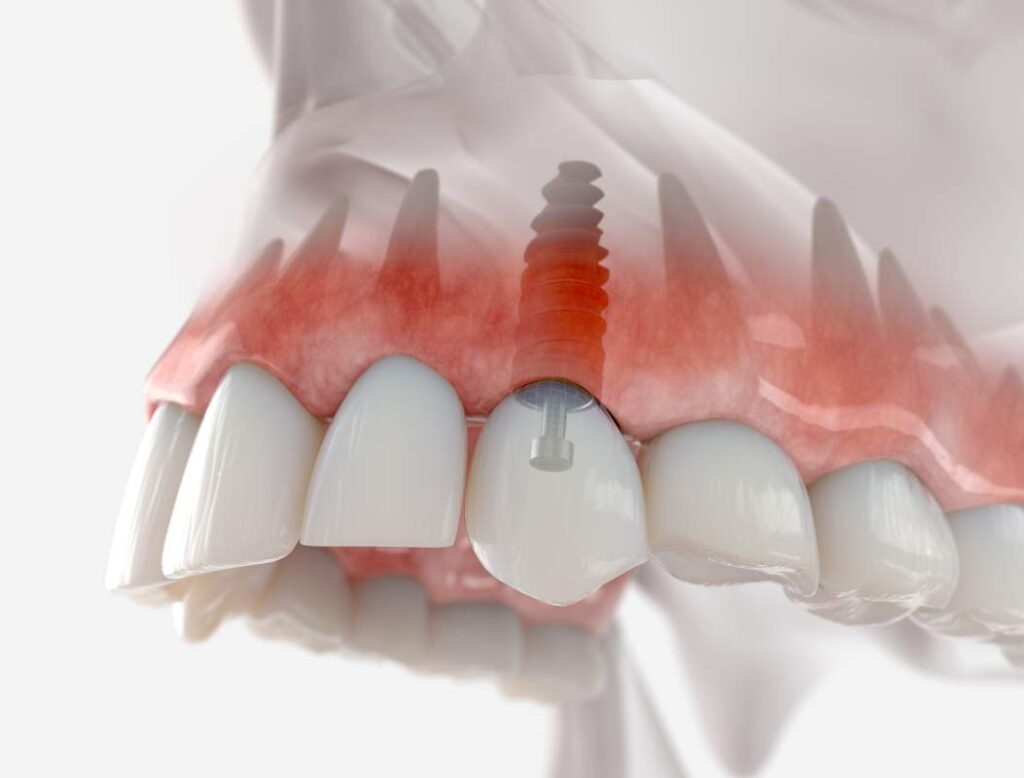
Losing jawbone does not automatically rule out dental implants. Many people with bone loss can still receive implants after the supporting bone is rebuilt, the treatment plan is adjusted, or a different implant-supported option is selected.
The key question is not simply whether bone loss exists. It is whether there is enough healthy, stable bone in the right location to support an implant safely and keep the surrounding gums healthy.
Why does bone loss happen after tooth loss?
Jawbone needs stimulation from tooth roots to maintain its shape and density. After a tooth is removed, the bone in that area gradually shrinks because it is no longer receiving normal chewing pressure.
Bone loss may also result from:
- Advanced gum disease
- A long-standing missing tooth
- Infection around a tooth
- Dental trauma
- Dentures that have been used for many years
- Certain medical conditions or medications
- Smoking or tobacco use
- Poorly controlled diabetes
The amount and pattern of bone loss vary from person to person. A missing front tooth may cause bone to become narrow, while missing back teeth may lead to reduced bone height. In the upper back jaw, the sinus cavity can also expand downward after tooth loss, leaving less bone available for implant placement.
Can dental implants be placed with bone loss?
Sometimes, but not always. Minor bone loss may still leave enough support for an implant. More advanced loss often requires a bone-building procedure before, or occasionally at the same time as, implant placement.
An implant must be surrounded by sufficient bone to remain stable while it heals. It also needs adequate clearance from nearby nerves, tooth roots, and the sinus. The gum tissue around it must be healthy enough to protect the implant from bacteria.
A two-dimensional dental X-ray may provide useful information, but a three-dimensional scan is often needed to evaluate bone width, bone height, nerve location, and sinus anatomy. The scan helps determine whether the implant can be placed as planned or whether the site needs preparation first.
What is a bone graft for dental implants?
A bone graft adds material to an area where the jaw has become too thin or too short. Over time, the body can use that material as a framework for developing new bone.
Common approaches include:
- Socket preservation: Bone-graft material is placed in the extraction site soon after a tooth is removed.
- Ridge augmentation: Bone is added to increase the width or height of a narrow jaw ridge.
- Sinus augmentation: The sinus lining is gently moved upward so additional bone can be placed in the upper back jaw.
- Guided bone regeneration: Graft material and a protective membrane are used to encourage bone growth in a specific area.
The graft material may be obtained from the patient, donated human tissue, an animal-derived source, or a synthetic material. The appropriate choice depends on the size and location of the defect, medical history, and the treatment plan.
Healing time varies. Some areas may be ready for an implant after several months, while larger grafts can require longer healing. In selected cases with limited bone loss, grafting and implant placement may be performed during the same procedure.
Does gum disease need to be treated first?
Yes. Active gum disease can damage the tissues that support natural teeth and implants. Placing an implant into an area with untreated infection or uncontrolled inflammation can increase the risk of complications.
Treatment may include removing plaque and hardened deposits below the gumline, improving daily cleaning, treating infection, and allowing the tissues to stabilize. Any remaining teeth also need evaluation because ongoing gum disease can affect the entire mouth, not just the implant site.
A history of gum disease does not automatically prevent implant treatment. It does mean that long-term maintenance and careful monitoring are especially important.
What if there is not enough bone for a standard implant?
Several possibilities may be considered, depending on the individual anatomy and the number of missing teeth.
A smaller implant may be appropriate in a limited situation, although size reductions are not suitable for every biting force or location. An implant-supported bridge or denture may reduce the number of implants needed. In more complex cases, specialized implant designs may be considered, but these require detailed imaging and careful planning.
Sometimes a conventional removable partial denture or complete denture is more suitable. The best choice depends on bone anatomy, oral health, chewing demands, comfort preferences, medical conditions, and the ability to maintain daily hygiene.
There is no single solution for every person with bone loss.
How long does treatment usually take?
Treatment can take several months or longer when grafting is necessary. The timeline may include:
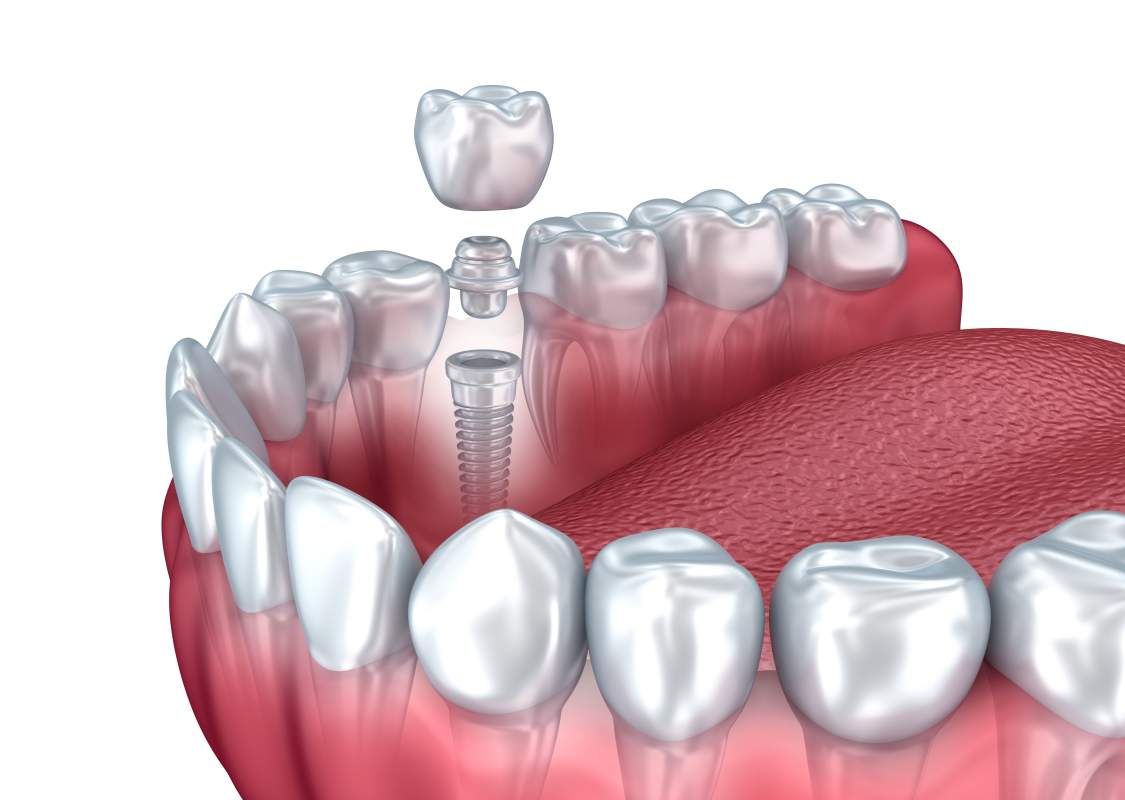
1. Examination, dental imaging, and review of medical history
2. Treatment of infection or gum disease
3. Tooth removal, if needed
4. Bone grafting or sinus augmentation
5. Healing and development of new bone
6. Implant placement
7. A second healing period while the implant bonds with the jaw
8. Placement of the replacement tooth, bridge, or denture
Some cases move faster, while others require staged procedures. Healing can be affected by smoking, diabetes, immune problems, certain medications, nutrition, and the size of the graft.
Does age prevent someone from getting implants?
Age alone is usually not the deciding factor. Overall health, jaw development, bone condition, oral hygiene, and the ability to heal are more relevant.
Older adults may receive implants successfully if medical conditions are reasonably controlled and the mouth can be kept clean. A younger person whose jaw is still developing may need to wait because implant position does not change naturally as the surrounding facial bones mature.
Medications that affect bone metabolism, a history of radiation involving the jaws, blood-thinning medication, and immune-system conditions should be discussed during planning. These factors do not always eliminate implant treatment, but they may change the timing, precautions, or recommended alternative.
Does winter weather in Sterling Heights affect implant healing?
Seasonal cold generally does not prevent dental implant healing. The biological process takes place inside the jaw and is not directly changed by ordinary outdoor temperatures.
Local residents may find it practical to plan recovery around work, school, transportation, and winter travel. After surgery, following instructions about eating, oral hygiene, physical activity, and medication matters far more than the outside temperature. Dry indoor air during heating season can also make the mouth feel uncomfortable, so adequate fluid intake may be useful unless restricted for medical reasons.
What are common misconceptions about implants and bone loss?
“Bone loss means implants are impossible.”
Not necessarily. Bone grafting and other treatment designs may make implants possible.
“A bone graft creates an immediate solid foundation.”
A graft usually needs time to heal and integrate before it can reliably support an implant.
“Once an implant is placed, bone loss cannot happen again.”
Implants can develop inflammation and surrounding bone loss. Daily cleaning, regular monitoring, and control of gum disease remain necessary.
“Dentures always cause bone loss.”
Bone shrinkage mainly follows tooth loss itself. Dentures can restore function but do not provide the same root-like stimulation as implants.
What should be assessed before treatment?
A thorough evaluation typically considers:
- The height and width of the jawbone
- The health of the gums and remaining teeth
- The location of nerves and sinus spaces
- Bite forces and grinding habits
- Smoking or tobacco exposure
- Diabetes and other medical conditions
- Medications that affect healing or bone
- Cleaning ability and long-term maintenance
For a resident considering implants after tooth loss, the most useful first question is not “Am I eligible?” but “What is causing the bone loss, and what would make this area healthy and stable enough to restore?” The answer requires an individualized examination rather than a decision based on age, appearance, or the number of years a tooth has been missing.