

 See My Latest Article on HelloNation
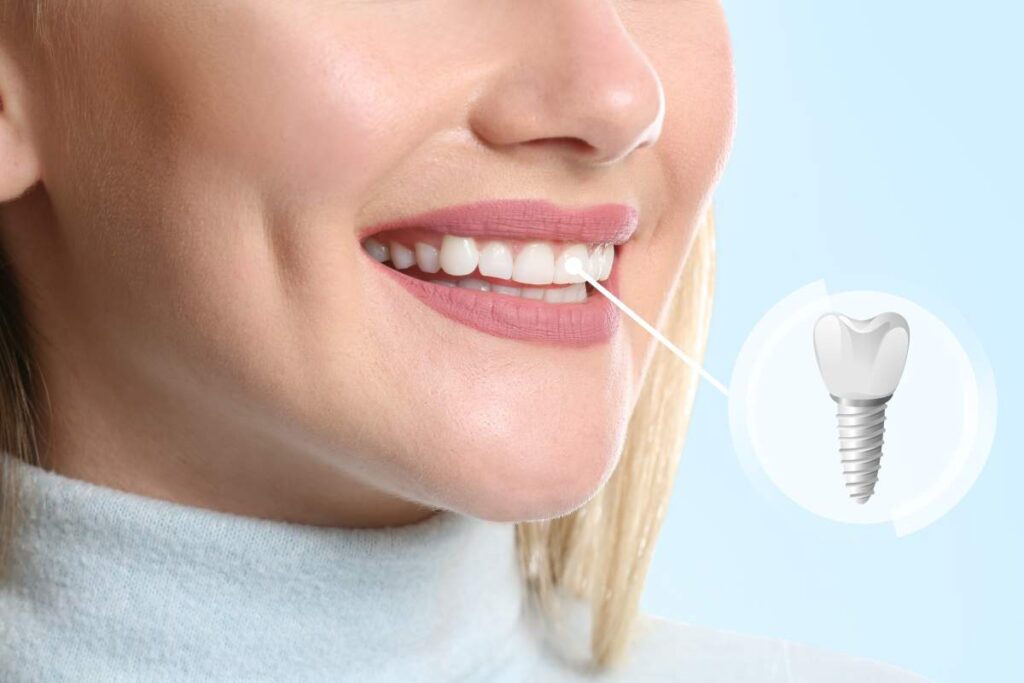
Dental implants can replace missing teeth without relying on removable dentures, but age alone does not determine whether they are appropriate. For older adults in Sterling Heights, the more relevant questions involve overall health, gum condition, jawbone support, medications, daily oral hygiene, and the ability to maintain follow-up care.
Are dental implants safe for seniors?
In many cases, yes. Healthy older adults can be candidates for dental implants, including people in their 70s, 80s, or beyond. Implant treatment depends more on medical stability and oral health than on a specific birthday.
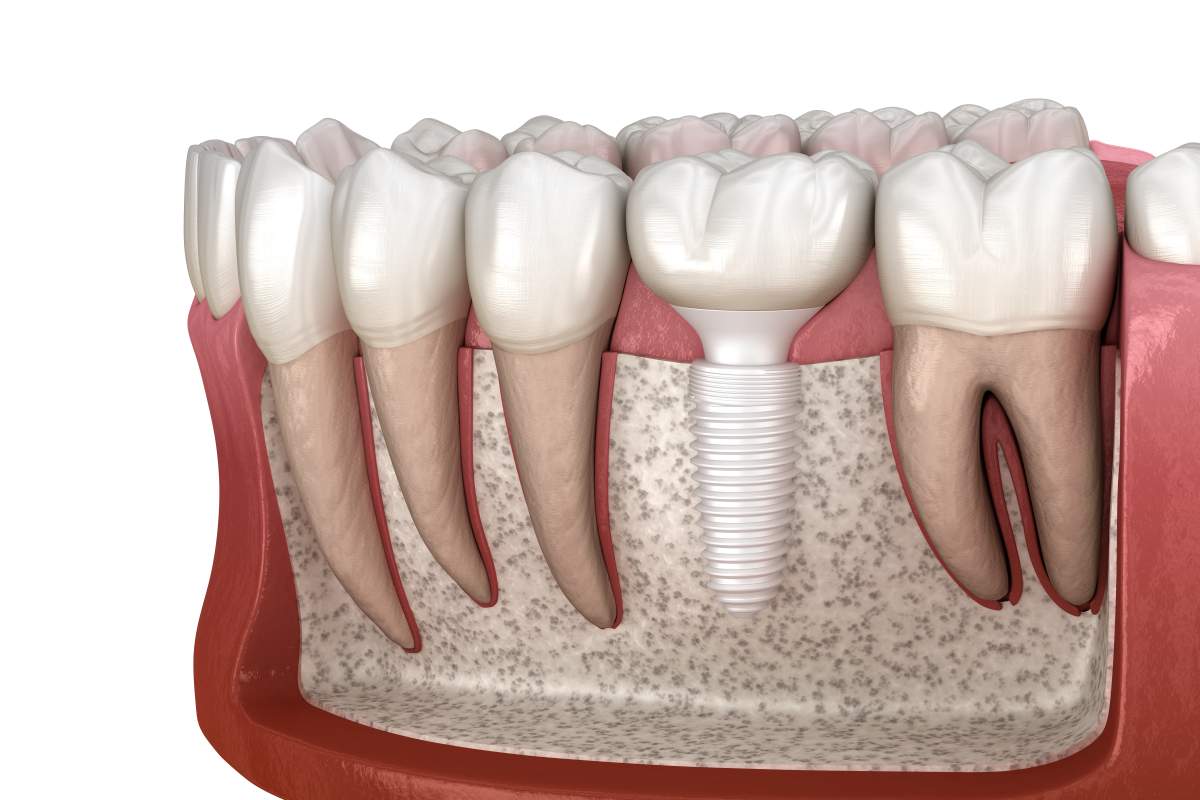
A dental implant is a small post placed in the jawbone to support a crown, bridge, or denture. Over time, the bone can bond with the implant, creating a stable foundation for a replacement tooth.
Age-related factors may require additional planning, including:
- Heart disease, high blood pressure, or diabetes
- Osteoporosis or a history of bone fractures
- Medications that affect bleeding, healing, or bone metabolism
- Arthritis or limited hand movement that makes brushing and flossing difficult
- Memory changes that affect medication schedules or oral hygiene
- Dry mouth caused by medications or medical conditions
These factors do not automatically rule out treatment. They help determine whether implant placement should be adjusted, delayed, or replaced with another option.
What makes someone a good candidate?
A suitable candidate generally has enough healthy jawbone to support an implant, controlled medical conditions, and gums that are free from active infection. Good candidates also need to be able to keep the implant and surrounding teeth clean.
A careful evaluation usually includes a review of:
- Current teeth, gums, and bite
- Jawbone volume and anatomy
- Medical history and medication list
- Smoking or tobacco use
- Diabetes control
- Previous gum disease
- Ability to attend follow-up visits
- The person’s goals for chewing, speech, comfort, and maintenance
A missing tooth does not always need to be replaced with an implant. A bridge, partial denture, complete denture, or treatment to preserve a remaining natural tooth may be more appropriate in some situations.
Does osteoporosis prevent dental implants?
Usually, osteoporosis by itself does not automatically prevent implant treatment. The more important issue is whether the person takes medication that affects bone remodeling and how that medication is administered.
Common osteoporosis treatments include oral or injectable antiresorptive medications. Some people also receive stronger medications through a vein for cancer-related conditions. These medicines can be associated with rare jaw complications after invasive dental procedures, particularly in people with additional risk factors.
Anyone taking medication for osteoporosis should provide the complete medication name, dose, and length of use before implant planning. Medication should not be stopped independently. In some cases, medical and dental providers may need to coordinate the timing and type of treatment.
Can people with diabetes receive implants?
People with well-controlled diabetes may be able to receive dental implants successfully. Poorly controlled blood sugar can slow healing and increase the risk of infection or inflammation around the implant.
A health history may include recent blood sugar information, diabetes-related complications, and medications. Implant treatment may need to be delayed if diabetes is unstable or if there is an active infection.
Maintaining healthy blood sugar after placement is also important. Diabetes does not end the responsibility once the implant is placed; long-term gum and implant care remain necessary.
How does gum disease affect implant success?
Active gum disease should generally be addressed before implant placement. Bacteria and inflammation affecting natural teeth can also threaten the tissues around an implant.
Implants cannot develop tooth decay, but they can develop inflammation and bone loss around the implant. This condition is sometimes called peri-implant disease. Warning signs may include:
- Bleeding during brushing
- Swollen or tender gum tissue
- Pus or persistent bad taste
- Increasing looseness
- Changes in the way a crown or denture fits
- Discomfort when chewing
A history of gum disease does not necessarily eliminate implant treatment, but it does make ongoing maintenance especially important.
What should seniors expect during treatment?
Implant treatment usually occurs in stages rather than during one brief visit. The process may include an examination, imaging, tooth removal if necessary, bone-grafting procedures in selected cases, implant placement, a healing period, and attachment of the replacement tooth.
Healing time varies. Some people receive a temporary tooth or denture while the implant integrates with the bone. Others may need a longer period before the final restoration is attached.
Older adults may need practical support during the early healing period, especially if they live alone, have mobility limitations, or take several medications. Arranging transportation, preparing softer foods, and organizing medication instructions can make recovery easier.
Winter conditions in Sterling Heights may also affect transportation and fall risk after a procedure. Planning for safe movement on icy walkways and avoiding rushed travel can be useful during the first few days of recovery.
Are implants better than dentures?
Neither option is automatically better for every older adult. Implants may feel more stable and can reduce movement during chewing, but they involve surgery, healing, expense, and long-term cleaning.
Dentures may be less invasive and easier to modify, but they can move, require removal for cleaning, and may become less stable as the jawbone changes.
Implants can also be used to stabilize a removable denture rather than replace every missing tooth. This approach may provide more retention while still allowing the denture to be removed for cleaning.
The best choice depends on health, anatomy, dexterity, budget, comfort preferences, and the amount of daily maintenance a person can realistically manage.
How should older adults care for implants?
Implants require regular home care and professional monitoring. A replacement tooth should be brushed just like a natural tooth, with careful cleaning along the gumline. Depending on the design, floss, interdental brushes, water irrigation devices, or other tools may be useful.
People with arthritis, vision changes, or reduced hand strength may need modified handles, larger grips, powered brushes, or assistance from a caregiver. A cleaning routine that is simple enough to follow consistently is more useful than one that is overly complicated.
Dry mouth deserves attention as well. Many medications used by older adults reduce saliva, which can increase the risk of decay around neighboring teeth and make oral tissues uncomfortable. Drinking water regularly, using fluoride toothpaste, and reviewing persistent dryness with a medical or dental provider may help.
What questions should be asked before treatment?
Before proceeding, older adults and family caregivers may want clear answers to these questions:
- Can the missing tooth be saved or restored?
- What alternatives are available?
- Is there enough bone for an implant?
- Would bone grafting be necessary?
- How will current medications affect healing?
- What happens if healing is slower than expected?
- Who will help with transportation or home care?
- How will the implant be cleaned every day?
- What follow-up visits will be needed?
- What costs may occur beyond the initial procedure?
Dental implants can be a durable tooth-replacement option for seniors, but they are not maintenance-free and are not suitable for every situation. A thoughtful decision considers the whole person—not only the missing tooth.