

 See My Latest Article on HelloNation
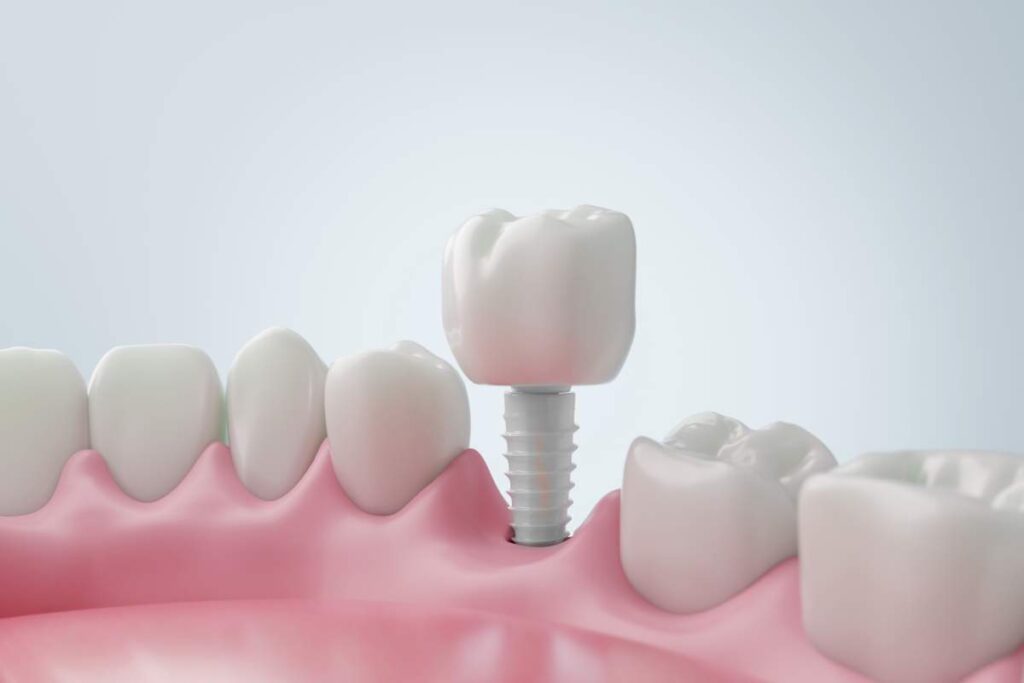
Dental implants may be worth considering if you have one or more missing teeth, healthy enough gums and bone to support an implant, and realistic expectations about the treatment process. They are not automatically the best choice for everyone, but several practical signs can indicate that implants may be a suitable option.
Do you have one or more missing teeth?
A missing tooth is the most obvious reason to explore implant treatment. Dental implants can support a single crown, a bridge replacing several teeth, or a removable denture that needs additional stability.
Unlike a conventional bridge, an implant is placed in the jawbone and does not rely on neighboring teeth for support. That may be useful when adjacent teeth are healthy and do not need to be reshaped. Implants can also help restore chewing in areas where a missing tooth makes certain foods difficult to manage.
A missing tooth does not always need to be replaced immediately. The decision depends on its location, the condition of the surrounding teeth, appearance, speech, bite, and the amount of bone that remains.
Are your gums generally healthy?
Healthy gum tissue is an important foundation for implant treatment. Active gum disease can damage the bone around natural teeth and may also increase the risk of inflammation around an implant.
Signs that gum health may need attention first include:
- Bleeding during brushing or flossing
- Persistent gum swelling or tenderness
- Loose teeth
- Receding gums
- Ongoing bad breath or a bad taste
- Pus near the gumline
Having a history of gum disease does not automatically rule out implants. It usually means the condition should be controlled and oral hygiene habits should be stable before treatment begins. Long-term cleaning around the implant and regular monitoring remain necessary after the replacement tooth is completed.
Do you have enough jawbone, or could it be rebuilt?
Implants need adequate bone for support. After a tooth is removed, the bone in that area can gradually shrink because it is no longer receiving normal stimulation from a tooth root.
Some people naturally have enough bone for implant placement. Others may need a bone-grafting procedure or additional healing time before an implant can be considered. A three-dimensional scan may be used to evaluate the height, width, and shape of the bone, along with nearby anatomical structures.
Previous tooth loss does not mean an implant is impossible. It does mean that the treatment plan may involve more than one stage.
Are your general health conditions reasonably controlled?
Many adults with common medical conditions can receive implants safely, but overall health can affect healing. Well-controlled diabetes, for example, is not necessarily a barrier. Poorly controlled blood sugar may slow healing and raise the risk of infection or implant complications.
Other health factors that may require careful planning include:
- Conditions that affect the immune system
- A history of delayed wound healing
- Certain heart or bleeding disorders
- Medications that affect bone metabolism
- Recent radiation involving the jaw area
- Medications that influence bleeding or clotting
A complete medication and health history matters. Prescriptions, over-the-counter drugs, supplements, and previous medical treatments can all influence surgical planning. No medication should be stopped or changed without direction from the prescribing medical professional.
Are you willing to stop or reduce tobacco use?
Smoking and other forms of tobacco can interfere with blood flow, immune response, and bone healing. Tobacco use may increase the likelihood of delayed healing, infection, gum problems, and implant failure.
This does not mean every tobacco user is permanently disqualified. It does mean that tobacco habits should be discussed honestly before treatment. A temporary pause may be recommended around surgery, while long-term reduction or cessation can improve the health of both implants and natural teeth.
Vaping should also be disclosed. Its effects on implant healing are still being studied, but inhaled products can expose oral tissues to substances that may contribute to irritation or inflammation.
Can you maintain a consistent cleaning routine?
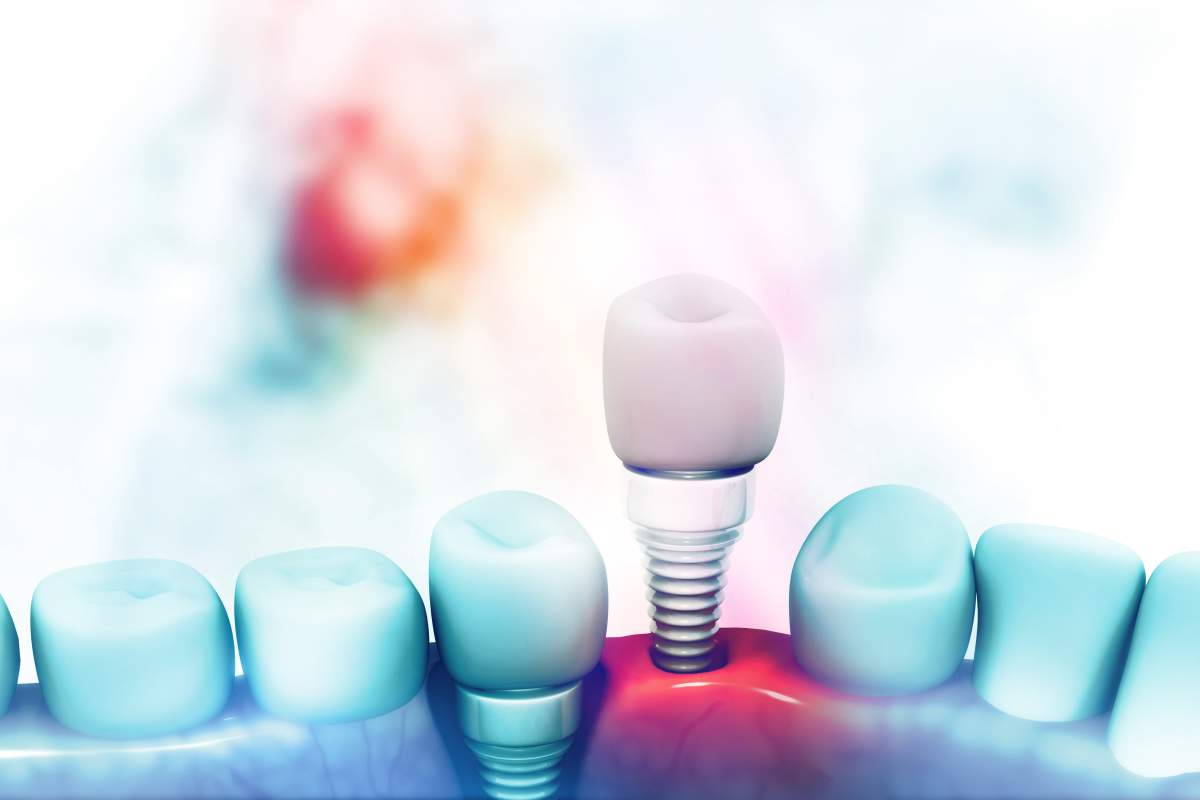
Implants cannot develop cavities in the same way natural teeth do, but they can still develop gum inflammation and bone loss. Food and bacterial buildup around an implant may cause problems if cleaning is inconsistent.
A good candidate is usually willing and able to:
- Brush twice daily with careful technique
- Clean between teeth and around the implant
- Attend periodic dental examinations
- Follow instructions during the healing period
- Report ongoing pain, swelling, bleeding, or looseness
Households in Sterling Heights may deal with dry indoor air during the heating season, busy work schedules, and seasonal disruptions that make routines harder to maintain. These factors do not prevent implant treatment, but a realistic daily hygiene plan is essential.
Do you have realistic expectations about the process?
Dental implants are not instant replacements. Treatment may involve tooth removal, healing, imaging, implant placement, additional healing, and fabrication of the final crown, bridge, or denture.
The temporary replacement and final restoration may not feel identical to a natural tooth. Appearance and chewing can improve substantially, but comfort depends on the bite, gum condition, restoration design, and adaptation over time.
Implants also require maintenance. Although they are designed for long-term use, they are not indestructible. Grinding or clenching, untreated gum disease, poor cleaning, trauma, and certain health changes can affect their condition.
Are you old enough for jaw growth to be complete?
There is no universal upper age limit for dental implants. Older adults may be good candidates if they are medically stable, have suitable bone and gum health, and can maintain the restoration.
For younger patients, the key concern is whether jaw growth has finished. Placing an implant before the jaw is fully developed can affect its position relative to the surrounding teeth as growth continues. Age alone is less important than bone development, general health, and long-term ability to care for the implant.
What does not automatically disqualify you?
Several common concerns require evaluation rather than an automatic rejection. These include diabetes, a history of gum disease, older age, previous bone loss, and the need to replace multiple teeth.
An implant may still be possible after careful planning, treatment of gum disease, improvement in blood sugar control, tobacco reduction, or bone grafting. In some cases, a bridge, partial denture, full denture, or no replacement may better match a person’s health, preferences, budget, or oral condition.
The most useful question is not simply, “Can I get implants?” It is, “Which tooth-replacement option offers the best balance of function, maintenance, health, and long-term predictability for my situation?”
What is evaluated before a decision is made?
An implant evaluation generally considers:
- The number and location of missing teeth
- The condition of remaining teeth
- Gum health and oral hygiene
- Jawbone volume and density
- Bite forces and signs of grinding
- Medical conditions and medications
- Tobacco use
- Ability to complete multiple treatment stages
- Alternatives such as bridges or dentures
A careful evaluation may show that implants are appropriate, that preparation is needed first, or that another option is more suitable. The goal is not to choose the most complex treatment, but to choose a replacement that can be maintained safely and comfortably over time.