

 See My Latest Article on HelloNation
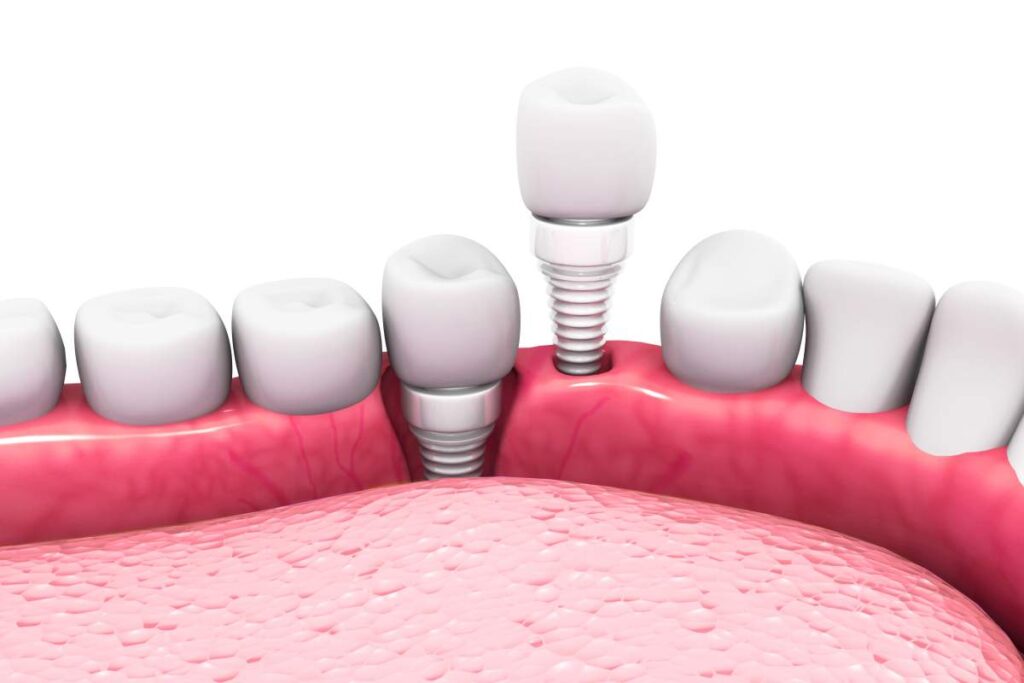
Dental implants do not develop cavities because the implant itself and its attached crown are made from materials that do not decay like natural enamel and dentin. However, the gums, bone, nearby natural teeth, and parts of the implant restoration can still develop problems if plaque remains around them.
For residents of Sterling Heights, MI, the most useful distinction is this: an implant cannot get a cavity, but it is not maintenance-free. Healthy tissue around the implant is essential for keeping it stable and comfortable.
Why dental implants cannot get cavities
A complete dental implant usually includes three parts:
- The implant post: A metal fixture placed in the jawbone to act as an artificial root.
- The abutment: A connector attached to the implant post.
- The crown, bridge, or denture: The visible replacement tooth or teeth.
Tooth decay occurs when oral bacteria produce acids that gradually dissolve natural tooth enamel and dentin. The titanium or similar material used for the implant post does not decay, and the ceramic, porcelain, or other restorative material used for the visible tooth is not affected by cavities in the same way natural tooth structure is.
That does not mean the restoration can never have a problem. An implant crown may chip, crack, loosen, wear down, or become difficult to clean. These are mechanical or restorative concerns rather than cavities.
Can the crown on an implant get a cavity?
No. An implant crown itself cannot develop a traditional cavity because it contains no living enamel or dentin.
A person may still notice a dark spot, rough edge, sensitivity, or food trapping around an implant crown. Possible explanations include:
- Plaque or hardened calculus near the gumline
- Staining on the crown or adjacent natural tooth
- A chipped or worn restoration
- Loosening of the crown or abutment
- Inflammation around the implant
- Decay on a nearby natural tooth
- A gap or contour that makes cleaning difficult
If the crown is attached to an abutment, bacteria can still collect at the gumline or beneath the restoration. The bacteria are not creating a cavity in the crown, but they may be irritating the surrounding tissues or affecting the fit and stability of the restoration.
What is peri-implantitis?
Peri-implantitis is inflammation and infection affecting the tissues and bone around an implant. It is the condition most often confused with an “implant cavity.”
An earlier stage, called peri-implant mucositis, involves inflammation of the soft gum tissue without significant bone loss. It may cause redness, swelling, tenderness, or bleeding during brushing or interdental cleaning. If the inflammation continues, it can progress to peri-implantitis, where supporting bone begins to deteriorate.
Signs that deserve attention include:
- Bleeding around the implant
- Persistent redness or swelling
- Pus, drainage, or an unpleasant taste
- Ongoing bad breath near the implant
- Pain when chewing
- A crown, bridge, or denture that feels loose
- The implant itself feeling mobile
A loose implant is not normal. The visible crown can sometimes loosen separately from the implant post, but movement may also indicate loss of bone support. Either situation requires timely evaluation because the treatment differs.
Can natural teeth next to an implant get cavities?
Yes. Natural teeth beside an implant can still decay, even if the implant is completely healthy.
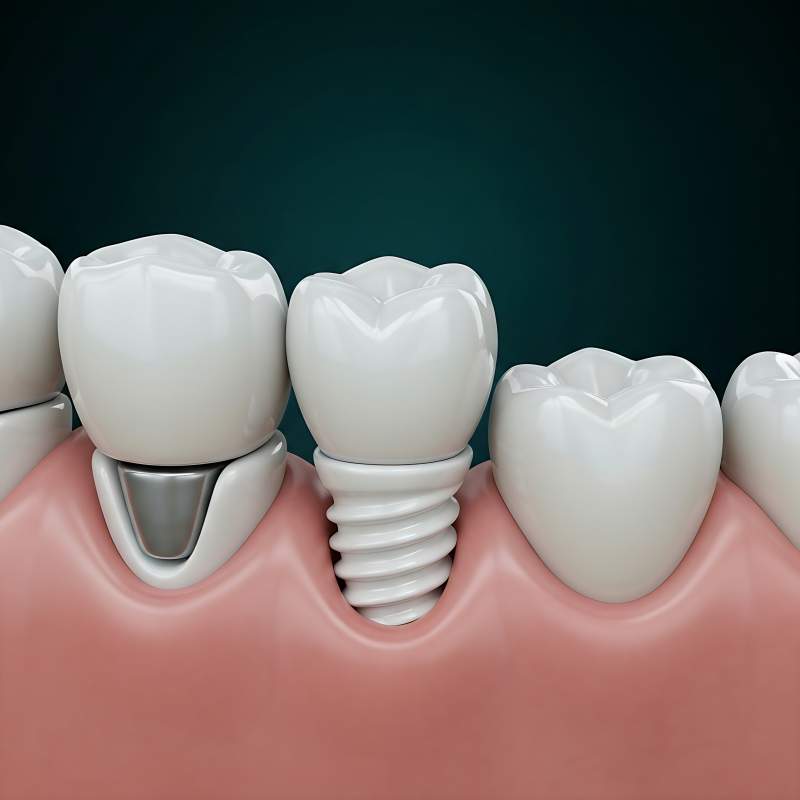
This matters because an implant does not protect neighboring teeth from plaque, acid, sugary drinks, or frequent snacking. The contact area between an implant crown and a natural tooth can also collect food if the space or contour changes over time.
Daily cleaning should therefore include the implant restoration and all remaining natural teeth. A person who has had cavities in the past may still be at risk after receiving an implant, particularly if dry mouth, high sugar intake, acid exposure, or inconsistent brushing continues.
How should an implant be cleaned?
An implant should generally be cleaned every day, much like a natural tooth, but the exact method depends on the shape of the crown, bridge, or denture.
Helpful routine measures may include:
- Brushing twice daily with a soft-bristled toothbrush
- Cleaning gently along the gumline around the implant crown
- Using floss, implant floss, or an interdental brush where it fits safely
- Cleaning beneath an implant-supported bridge or removable denture as instructed
- Avoiding forceful flossing that cuts or traumatizes the gum tissue
- Using fluoride toothpaste to protect natural teeth
- Limiting frequent exposure to sugary or acidic drinks
An interdental brush should fit snugly without forcing it into the tissue or scraping the restoration. Some implant bridges and dentures require special cleaning tools because ordinary floss cannot reach underneath them effectively.
Seasonal routines can also affect oral care. During warmer months, people may sip sweetened beverages more often, while winter heating can contribute to dry mouth indoors. Both patterns can increase plaque-related problems, especially for people who already have a history of cavities or gum disease.
Do implants still need regular dental examinations?
Yes. Routine examinations help identify inflammation, changes in the bite, worn restorations, loose components, and early bone changes that may not cause symptoms.
During an implant check, the surrounding gum tissue may be examined for bleeding, swelling, pocket depth, and plaque. Dental imaging may also be used when appropriate to monitor the bone supporting the implant.
The recommended interval varies. Someone with a history of periodontal disease, smoking, diabetes, difficult-to-clean implant work, or previous implant complications may require closer monitoring. A person with several healthy implants and strong home care may have a different schedule.
Regular evaluations also help protect the natural teeth. An implant cannot get a cavity, but untreated decay in neighboring teeth can still lead to pain, infection, or changes in chewing.
What if an implant area is painful or sensitive?
Pain near an implant should not automatically be assumed to be a cavity. Possible causes include gum inflammation, peri-implant disease, a loose crown or abutment, excessive biting pressure, a cracked restoration, food trapped beneath a bridge, or decay in an adjacent natural tooth.
Seek prompt dental evaluation if there is swelling, drainage, fever, significant pain, difficulty opening the mouth, or a loose implant restoration. Urgent medical attention is appropriate if swelling affects breathing or swallowing.
The short answer remains simple: dental implants do not get cavities, but the tissues around them and the natural teeth nearby can still develop disease. Consistent cleaning, attention to warning signs, and periodic monitoring help distinguish ordinary restorative wear from problems that could threaten the implant’s support.