

 See My Latest Article on HelloNation
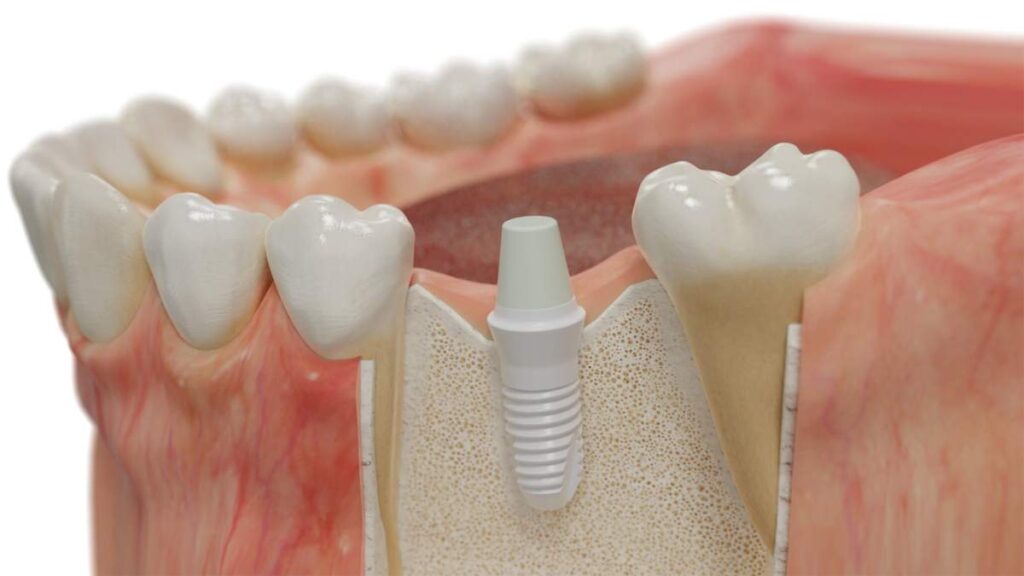
Dental implants can replace missing teeth, but their success depends on how well the jawbone and gum tissue heal around the implant. Smoking interferes with several parts of that process, which can increase the risk of early healing problems, implant failure, bone loss, and infection.
For residents in Sterling Heights, understanding these risks can help with realistic planning before implant surgery and during the months that follow.
Why does smoking affect dental implant success?
Smoking reduces blood flow and exposes healing tissues to nicotine, carbon monoxide, and other irritants. These effects can make it harder for the body to deliver oxygen, nutrients, and immune defenses to the surgical area.
Dental implants depend on a process called osseointegration. During osseointegration, the implant becomes firmly integrated with the surrounding jawbone. If bone healing is delayed or disrupted, the implant may remain loose instead of becoming a stable foundation for a crown, bridge, or denture.
Smoking may also:
- Slow the healing of gum tissue
- Increase inflammation around the implant
- Raise the risk of infection
- Reduce the body’s ability to fight oral bacteria
- Contribute to bone loss around an otherwise stable implant
- Increase the chance of complications after bone grafting or tooth extraction
The risk is not limited to cigarettes. Cigars, pipes, water pipes, smokeless tobacco, and vaping products may also expose oral tissues to nicotine, heat, chemicals, or irritants that can affect healing.
Does smoking mean a person cannot receive dental implants?
No. Smoking does not automatically make implants impossible, but it is a significant risk factor that must be considered. Implant outcomes depend on several variables, including the number of cigarettes used, duration of tobacco use, gum health, bone volume, general health, oral hygiene, and whether bone grafting is needed.
A person who smokes occasionally may have a different risk profile from someone who smokes heavily every day. However, “light” smoking is not the same as having no risk. Even limited tobacco exposure can affect circulation and wound healing.
The decision also depends on whether active gum disease, uncontrolled diabetes, poor oral hygiene, or other conditions are present. These factors can combine with smoking and create a greater overall challenge for healing.
What happens if someone smokes immediately after implant surgery?
Smoking soon after surgery can be especially harmful. The surgical site needs time to form a stable blood clot and begin repairing itself. Heat, suction, smoke, and nicotine can interfere with that early stage.
Possible complications include:
- Delayed closure of the gum tissue
- Increased bleeding or irritation
- Infection at the surgical site
- Loss of the blood clot
- Poor healing after an extraction or bone graft
- Greater stress on the newly placed implant
The exact smoking restriction varies according to the procedure and the patient’s health. Implant placement alone, extraction with immediate implant placement, and bone grafting do not all heal in exactly the same way. Written postoperative instructions should take priority over general advice.
How long should a person stop smoking before and after implant placement?
There is no single timetable that applies to every patient, but stopping before surgery is generally more helpful than waiting until the day of the procedure. A longer tobacco-free period gives circulation and oxygen delivery more time to improve before the tissues are injured.
Avoiding smoking throughout the early healing period is also important. The implant may look fine from the outside while the bone is still integrating with its surface. This internal healing can take several months.
Some people are advised to remain tobacco-free until the implant has fully integrated and the final restoration has been placed. Others may receive a more individualized plan based on their surgical procedure, medical history, and ability to quit. The safest approach is to discuss tobacco use before treatment rather than withholding that information.
Can vaping or nicotine replacement products affect implants?
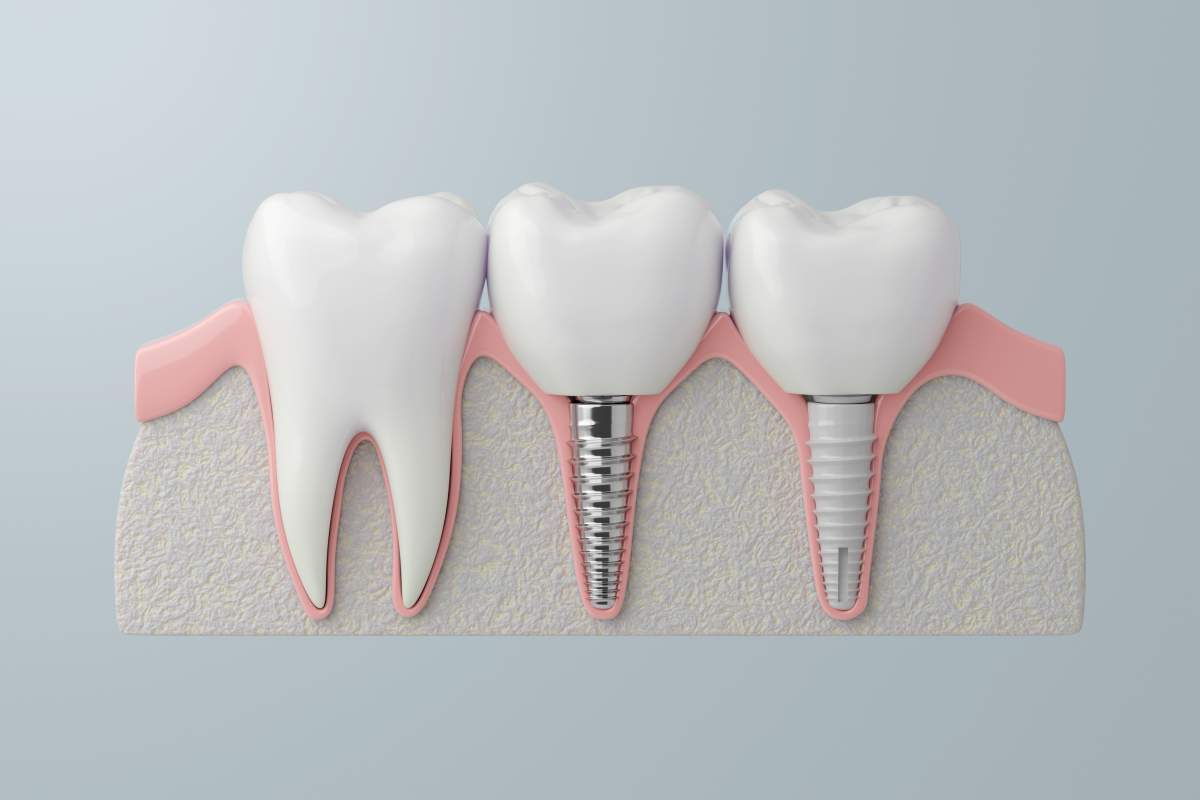
Vaping should not be assumed to be harmless for implant healing. Many vaping liquids contain nicotine, which can narrow blood vessels and affect the healing response. Vapor may also expose the mouth to heat and chemical substances.
Nicotine replacement products can be useful tools for quitting smoking, but the timing and type may matter around oral surgery. Nicotine gum, lozenges, patches, and other products do not expose the mouth in exactly the same way, yet nicotine itself may still influence blood flow. A healthcare professional can help determine a quitting method that fits the person’s medical needs and surgical plan.
The goal is to avoid returning to smoking simply because another product seems safer for the mouth. Tobacco-free strategies are generally preferable during implant healing.
Does smoking increase the risk of peri-implantitis?
Yes. Peri-implantitis is inflammation and infection affecting the tissues and bone around an implant. It can cause bleeding, swelling, drainage, gum recession, and progressive bone loss. In advanced cases, the implant may become unstable.
Smoking can make peri-implant disease more likely and may also hide some warning signs. Reduced bleeding does not always mean the tissues are healthy; nicotine-related changes in circulation can make inflammation less obvious.
Regular dental examinations, careful brushing, cleaning between teeth, and attention to changes around the implant are especially important for tobacco users. Warning signs include persistent bad taste, bleeding during cleaning, swelling, discomfort, looseness, or a change in the way the implant crown fits.
Does quitting improve the chances of implant success?
Stopping smoking can improve the conditions needed for healing, although it cannot erase every previous risk. Quitting may improve circulation, reduce exposure to harmful chemicals, support immune function, and lower the risk of gum disease and bone loss over time.
A temporary pause may still be better than continuing to smoke, but a permanent quit attempt offers broader benefits for oral and general health. If quitting has been difficult in the past, that does not mean another attempt is unlikely to work. A plan may include counseling, medication, nicotine replacement, or support from a primary care clinician.
For people living through cold winters and dry indoor heating seasons, mouth dryness can also become a practical concern. Dry tissues may feel irritated and can make oral hygiene less comfortable. Drinking water regularly and following postoperative instructions can help, but tobacco remains a separate and more substantial healing risk.
What should smokers ask before implant treatment?
Useful questions include:
- How does tobacco use change the expected healing timeline?
- Is a bone graft or extraction part of the treatment?
- How long should smoking and vaping be avoided?
- Are nicotine replacement products appropriate during healing?
- What symptoms could indicate infection or implant complications?
- How often should the implant be checked during recovery?
- What steps can reduce the risk of peri-implantitis over time?
Honest disclosure about cigarettes, vaping, smokeless tobacco, cannabis smoke, and other inhaled products allows the treatment plan and healing instructions to be adjusted appropriately. Smoking does not make implant success impossible, but avoiding tobacco gives the bone and soft tissue a better environment in which to heal.