

 See My Latest Article on HelloNation
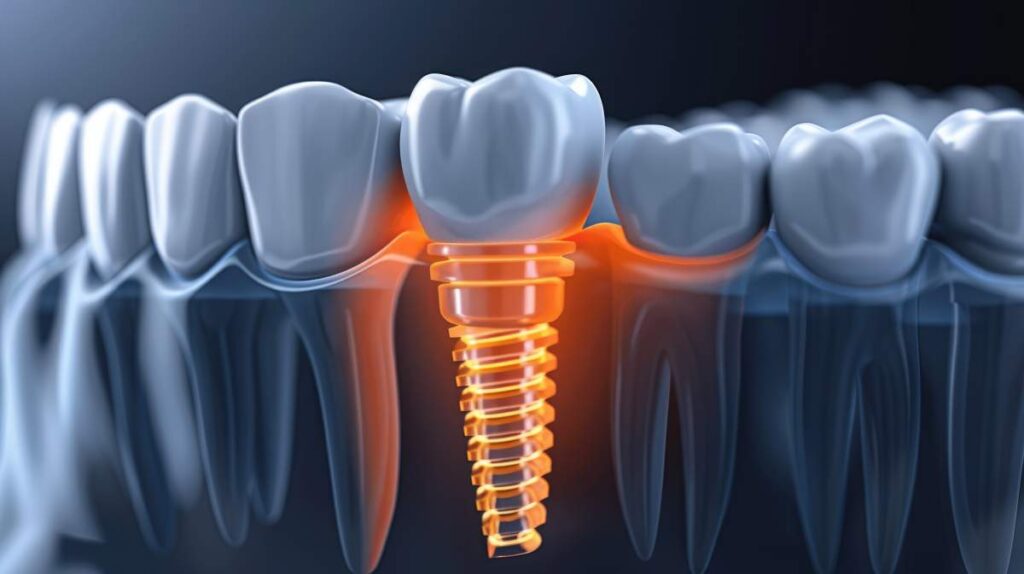
Dental implant recovery happens in stages. The gums may feel noticeably better within one to two weeks, but the implant itself usually needs several months to bond with the jawbone before the permanent crown, bridge, or denture is attached.
The exact timeline depends on the number of implants, whether a tooth was removed at the same time, the condition of the jawbone, and whether bone grafting or gum treatment is needed.
What happens during the first 24 hours?
The first day is focused on protecting the surgical area and controlling bleeding, swelling, and discomfort. Numbness may continue for several hours after the procedure.
A small amount of blood-tinged saliva is common. Swelling often begins later the same day and may be more noticeable during the next 24 to 48 hours. Bruising is possible, particularly when several teeth are being replaced or additional grafting is performed.
Typical instructions may include:
- Resting with the head elevated
- Applying a cold pack in short intervals during the first day
- Eating cool, soft foods
- Avoiding forceful rinsing, spitting, smoking, and strenuous exercise
- Taking prescribed or recommended medication exactly as directed
The surgical instructions provided after treatment should take priority over general information because techniques and individual health conditions vary.
How should the mouth feel during the first week?
Most people notice the greatest tenderness during the first few days, followed by gradual improvement. The gums may feel tight, swollen, or sensitive near the implant. Mild difficulty chewing is expected, especially if the implant is located toward the back of the mouth.
Soft foods can reduce pressure on the area. Examples include eggs, yogurt, smoothies eaten with a spoon, oatmeal, pasta, mashed vegetables, and tender fish. Foods that are hard, sharp, sticky, or heavily spiced may irritate the site.
Oral hygiene still matters, but the implant area must be cleaned gently. Depending on the procedure, the dental team may recommend careful brushing around the site, a prescribed rinse, or temporarily avoiding direct contact with the incision.
Swelling should generally begin to decrease after the second or third day. If pain or swelling continues to intensify rather than improve, that pattern deserves prompt attention.
When can normal activities resume?
Many people return to desk-based work or ordinary household activities within one or two days, although fatigue and soreness may continue. More extensive procedures can require additional recovery time.
Physical activity is commonly limited for several days because bending, lifting, and strenuous exercise can increase bleeding or throbbing. The return to exercise should follow the specific instructions given for the procedure.
Residents of Sterling Heights may also want to plan around seasonal conditions. Cold winter air can make a healing mouth feel more sensitive, while hot summer weather and outdoor activity can make it easier to become dehydrated. Keeping water available and avoiding very hot foods or drinks during the early healing period can be helpful.
Driving depends on the type of anesthesia or sedation used, medication effects, and how alert the patient feels. Someone who received sedation may need another adult to provide transportation and supervision for the remainder of the day.
What happens after one to two weeks?
The gum tissue commonly looks and feels substantially better within one to two weeks. If non-dissolving stitches were used, they may be removed during a follow-up visit in this period. The healing area is checked for signs of infection, irritation, or poor tissue closure.
Feeling better does not mean the implant is fully healed. The visible gum tissue can recover before the deeper bone has firmly attached to the implant. For that reason, chewing hard foods directly over the implant may still be restricted.
A temporary tooth may be placed in some cases. It can improve appearance or speech, but it may not be intended for heavy chewing. A temporary restoration should be used only as instructed.
How long does the implant take to bond with the jawbone?
The biological process in which bone grows closely around the implant is called osseointegration. This commonly takes about three to nine months, although some cases are shorter or longer.
Several factors can affect the timetable:
- Bone density and jaw location
- The number of implants placed
- Whether the implant was placed immediately after extraction
- Bone grafting or sinus-related procedures
- Diabetes and other conditions that affect healing
- Tobacco or nicotine use
- Oral hygiene and pressure placed on the healing implant

An implant can feel stable while the bone is still strengthening. Stability is assessed through follow-up examinations rather than by testing the implant with chewing or finger pressure.
When is the permanent tooth attached?
Once healing is sufficient, the next stage usually involves placing an abutment, taking impressions or digital scans, and creating the final crown, bridge, or denture. Some implants receive the abutment during the original surgery; others require a separate minor procedure.
The restoration may take additional time because it must fit the bite, neighboring teeth, gum contours, and appearance of the smile. A single implant crown is not always delivered on the same day the implant is uncovered.
The full process from implant placement to final restoration often takes several months. Bone grafting, staged extractions, multiple implants, or complications can extend the schedule.
What symptoms are normal, and which are concerning?
Mild discomfort, swelling, bruising, tenderness, and temporary changes in chewing are common. A small amount of bleeding soon after surgery can also occur.
Prompt dental guidance is appropriate for:
- Bleeding that does not slow with firm, gentle pressure
- Pain that becomes worse after initially improving
- Swelling that continues to increase after the early healing period
- Fever, pus, foul taste, or a persistent bad odor
- Difficulty breathing or swallowing
- Numbness that is unexpected or does not begin to improve
- An implant, healing cap, or temporary tooth that feels loose
- A bite that suddenly feels significantly different
A loose implant is not the same as a loose temporary crown. Both should be reported, but an implant that moves during the bone-healing phase requires especially prompt evaluation.
Does recovery take longer after a bone graft?
Usually, yes. A bone graft adds another healing process and may be completed before implant placement, at the same time, or in a staged approach. The graft must mature enough to provide stable support, which can add several months to treatment.
Recovery after grafting may include additional swelling, dietary restrictions, and a longer period before normal chewing is allowed. The treatment sequence depends on the amount of bone available and the location of the missing tooth.
How can healing be protected?
The most useful habits are simple: follow the written aftercare instructions, keep the mouth clean without disturbing the surgical site, avoid tobacco and nicotine, choose foods that do not place force on the implant, and attend planned follow-up checks.
Medical conditions and medications should be disclosed before surgery because they may affect bleeding, infection risk, or bone healing. Long-term implant care also includes brushing, cleaning around the restoration, and routine dental examinations. An implant cannot develop tooth decay, but the surrounding gum and bone can still become inflamed or infected.
Recovery is best understood as a gradual process: comfort often improves within days, gum tissue commonly heals within weeks, and bone integration may continue for months. The absence of pain is encouraging, but follow-up assessment is what confirms that healing is progressing safely.