

 See My Latest Article on HelloNation
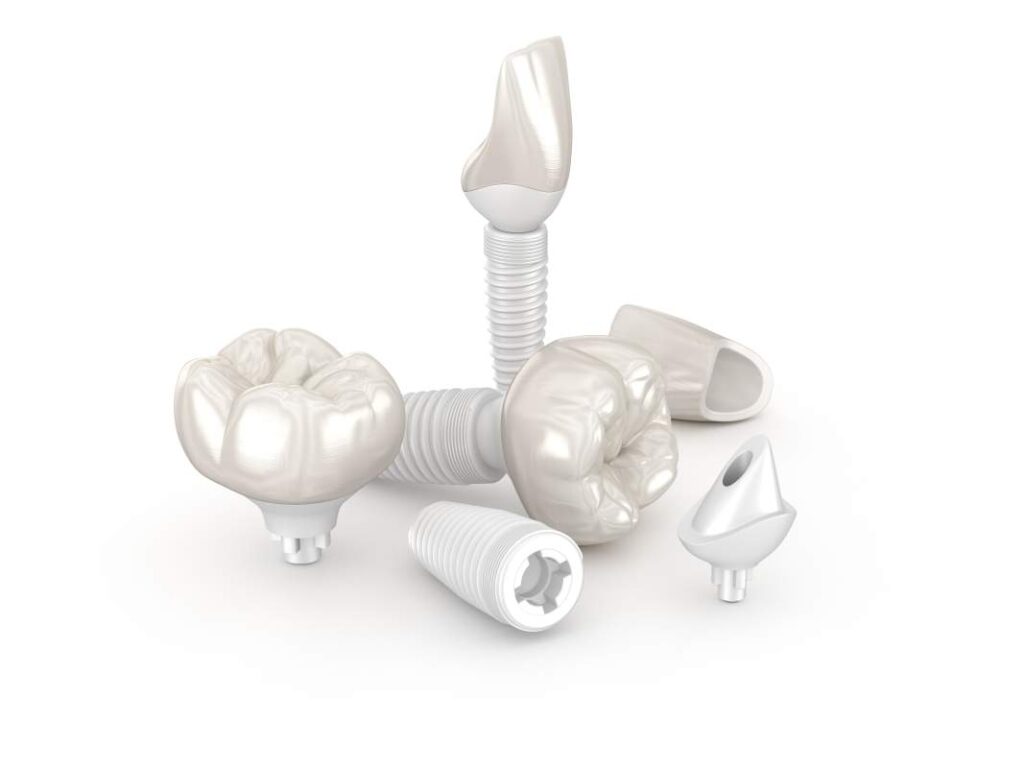
Dental implants involve surgery, healing, and the design of a replacement tooth or denture. Choosing the right dentist is less about finding the most advertised option and more about evaluating training, diagnosis, communication, treatment planning, and long-term follow-up.
What should residents look for first?
Start by confirming that the dentist is licensed and has specific education and experience in implant dentistry. A general dentist may place and restore implants, while other cases may involve a periodontist, oral and maxillofacial surgeon, or prosthodontist. The appropriate choice depends on the complexity of the tooth loss, gum health, bone volume, medical history, and type of restoration needed.
Useful questions include:
- How much of the dentist’s work involves dental implants?
- Does the dentist place implants, restore them, or coordinate both parts?
- What advanced training has been completed after dental school?
- How are complex cases managed?
- Will another dental specialist be involved if needed?
Membership in a professional organization alone does not prove clinical ability. More meaningful indicators include documented implant-specific education, advanced credentials, years of experience, and a willingness to explain how those qualifications relate to the proposed treatment.
Why does the examination matter so much?
A reliable implant plan begins with a thorough examination rather than a quick visual inspection. The dentist should assess the missing tooth area, neighboring teeth, gums, bite, jawbone, and overall oral health.
Diagnostic imaging may include dental X-rays and three-dimensional scans when needed. These images help identify the position of important structures, the amount of available bone, and conditions that may affect implant placement.
A careful evaluation should also consider:
- Active gum disease
- Tooth decay or infection
- Jawbone loss
- Teeth grinding or clenching
- Bite forces and chewing patterns
- Smoking or nicotine use
- Diabetes and other medical conditions
- Medications that may affect healing or bone metabolism
- Oral hygiene habits
In a community with cold winters and busy household schedules, it may be tempting to focus mainly on appointment timing or recovery during a particular season. Those concerns are reasonable, but the quality of diagnosis and planning has a greater effect on safety and long-term function than the time of year.
Should the dentist explain alternatives to an implant?
Yes. An implant may be appropriate, but it is not automatically the only or best option. Depending on the situation, alternatives may include a fixed bridge, removable partial denture, complete denture, leaving the space temporarily, or treating an infection before deciding on tooth replacement.
A proper consultation should explain:
- Why an implant is being recommended
- What could happen if treatment is delayed
- The benefits and limitations of each alternative
- The expected number of procedures
- Whether bone grafting or gum treatment may be necessary
- How long healing may take
- What type of temporary tooth will be available
- What maintenance will be required afterward
A recommendation should be connected to the patient’s anatomy and goals, not presented as a standard package that fits everyone. A dentist who discourages reasonable questions or dismisses alternatives makes it harder for a patient to provide informed consent.
What does informed consent look like?
Informed consent is a conversation, not merely a signature. Before treatment, the dentist should discuss the proposed procedure, expected benefits, possible risks, alternatives, and the consequences of choosing no treatment.
Patients should feel comfortable asking for clarification about:
- Pain control and anesthesia
- Swelling and recovery
- Temporary teeth
- Restrictions on eating or physical activity
- Possible nerve, sinus, gum, or bone complications
- The possibility of implant failure
- Who will handle urgent problems after surgery
- What happens if the final crown, bridge, or denture does not fit properly
The explanation should be specific to the planned procedure. For example, replacing one front tooth may involve different cosmetic and bite considerations than replacing several back teeth or supporting a full-arch restoration.
How can patients evaluate the dentist’s experience?
Ask for information that relates to the type of treatment being considered. A dentist may have extensive experience with single-tooth implants but limited experience with full-arch cases, or considerable surgical experience but less involvement in complex restorative design.
Questions worth asking include:
- How many cases similar to mine have you completed?
- What complications are most relevant to my situation?
- How are failed or loose implants managed?
- Who performs each stage of treatment?
- What follow-up is included?
- Can I review examples of comparable cases, while protecting patient privacy?
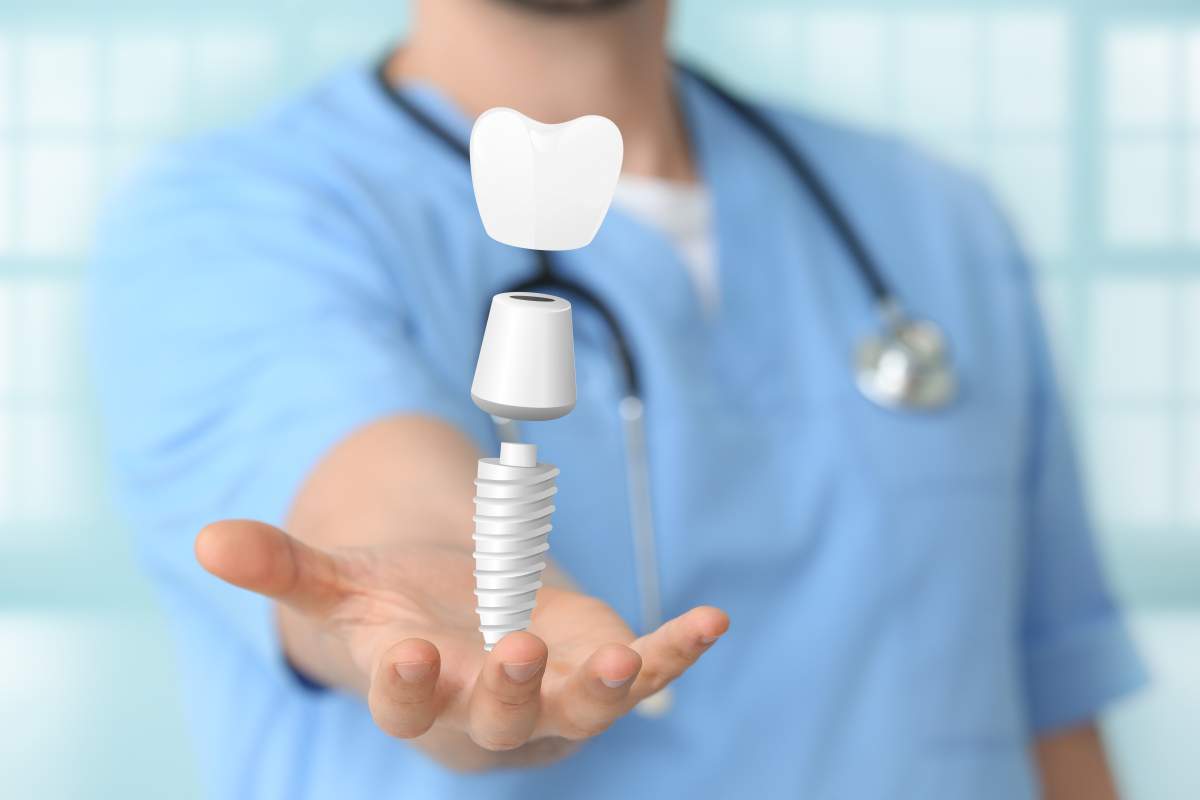
Before-and-after photographs can be useful, but they should not be treated as proof of guaranteed results. A photograph does not show bone quality, healing, maintenance, or how the patient’s treatment progressed.
Does the dentist need special technology?
Technology can improve diagnosis and planning, but equipment alone does not determine treatment quality. Three-dimensional imaging, digital impressions, surgical guides, and computer-assisted planning may be helpful in selected cases. The dentist should be able to explain why a particular tool is needed rather than using technology as a substitute for clinical judgment.
Patients can ask whether the imaging is necessary, how it will change the treatment plan, and whether the scan will be reviewed in relation to nerves, sinuses, bone thickness, and the final tooth position.
What health factors should be discussed?
Medical history can affect candidacy, healing, anesthesia, and long-term maintenance. Smoking and other nicotine use can interfere with healing and increase the risk of complications. Poorly controlled diabetes, untreated gum disease, active infection, and some medications may also require attention before implant surgery.
This does not automatically mean a person cannot receive implants. It means the treatment plan may need additional preparation or coordination with a medical provider. Patients should provide a complete medication list and disclose conditions that may affect surgery or healing.
How should cost and coverage be compared?
Price should be evaluated only after confirming what the fee includes. Implant treatment may involve separate charges for imaging, extraction, bone grafting, the implant itself, the connector, the crown or denture, sedation, and follow-up care.
Ask for a written outline that separates:
- Diagnostic services
- Surgical procedures
- Temporary restorations
- Final restorations
- Additional procedures
- Maintenance and repair responsibilities
Dental insurance may cover part of the crown, extraction, or prosthetic treatment while excluding the implant surgery. Coverage rules vary, so patients should verify benefits directly rather than assuming that an advertised fee represents the complete cost.
What are warning signs during a consultation?
Caution is reasonable if a dentist:
- Promises a guaranteed result
- Pressures the patient to decide immediately
- Avoids discussing risks or alternatives
- Recommends treatment without adequate imaging or examination
- Cannot explain who will perform each stage
- Gives vague answers about follow-up care
- Presents limited-time pricing as the main reason to proceed
- Does not address gum disease, bite forces, smoking, or medical history
A trustworthy consultation should leave the patient with a clear understanding of the diagnosis, choices, timeline, risks, and responsibilities.
What makes a dentist the right fit?
The right dentist is not necessarily the one with the shortest timeline or lowest quoted fee. A suitable choice is a licensed provider with relevant implant training, experience with comparable cases, careful diagnostic habits, clear informed-consent discussions, and a dependable plan for follow-up.
Residents comparing options in Sterling Heights should take time to review records, ask direct questions, and seek an additional opinion when the proposed treatment is extensive, costly, or difficult to understand. Dental implants are a long-term health decision, and careful comparison before surgery can help prevent avoidable surprises later.